Starting around the fourth decade of life, many adults gradually lose muscle mass and strength — a natural process sometimes referred to as sarcopenia. The good news: while some decline is a normal part of aging, how much and how fast is heavily influenced by daily habits you can actually control.
Why Muscle Matters Beyond the Gym
Muscle isn't just about appearance or athletic performance. It supports balance, mobility, metabolic health, and the ability to do everyday things — carrying groceries, climbing stairs, getting up from a chair — without much thought. Maintaining muscle is closely tied to maintaining independence later in life.
1. Prioritize Protein and Amino Acid Intake
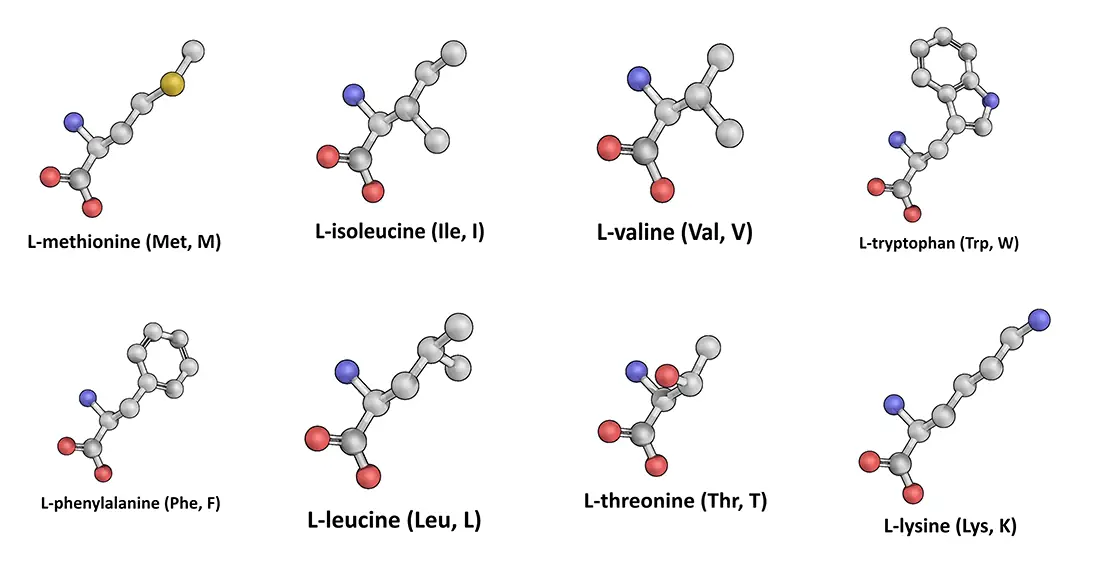
Muscle tissue is in a constant state of breakdown and rebuild. To keep that balance tilted in your favor, your body needs a steady, complete supply of amino acids — particularly the 8 essential amino acids it can't produce on its own. Many older adults eat less protein than they did decades earlier, sometimes without noticing, which can make it harder for the body to maintain muscle even with regular activity.
2. Keep Resistance Training in the Mix
Cardiovascular exercise is valuable, but resistance or strength-based movement is the primary stimulus your muscles need to maintain size and function. This doesn't have to mean a gym membership — bodyweight exercises, resistance bands, and functional movements like squats and carries all count.
3. Watch for Early Signs You're Falling Behind
Fatigue after normal activity, slower recovery, or noticeably reduced strength can be early indicators worth paying attention to. We go deeper on this in Signs of Amino Acid Deficiency.
4. Don't Skip Recovery
Sleep and recovery become more, not less, important with age. Muscle repair largely happens during rest, and skimping on recovery undercuts the benefit of both training and nutrition. Our post-workout recovery guide covers practical habits that apply at any age.
5. Consider a Complete Amino Acid Supplement
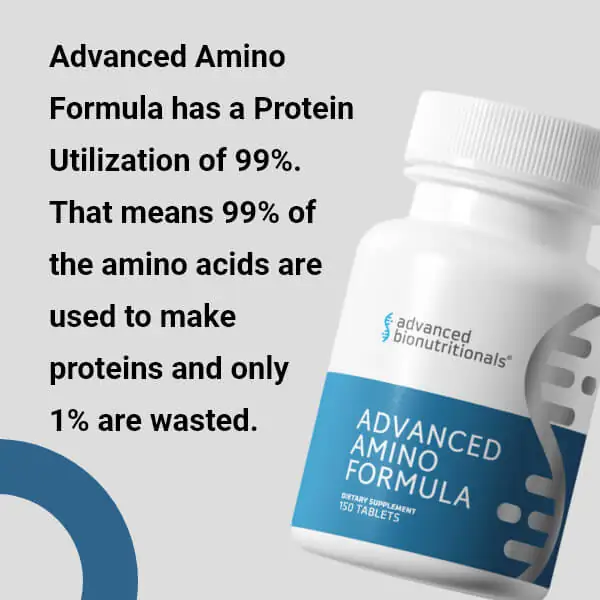
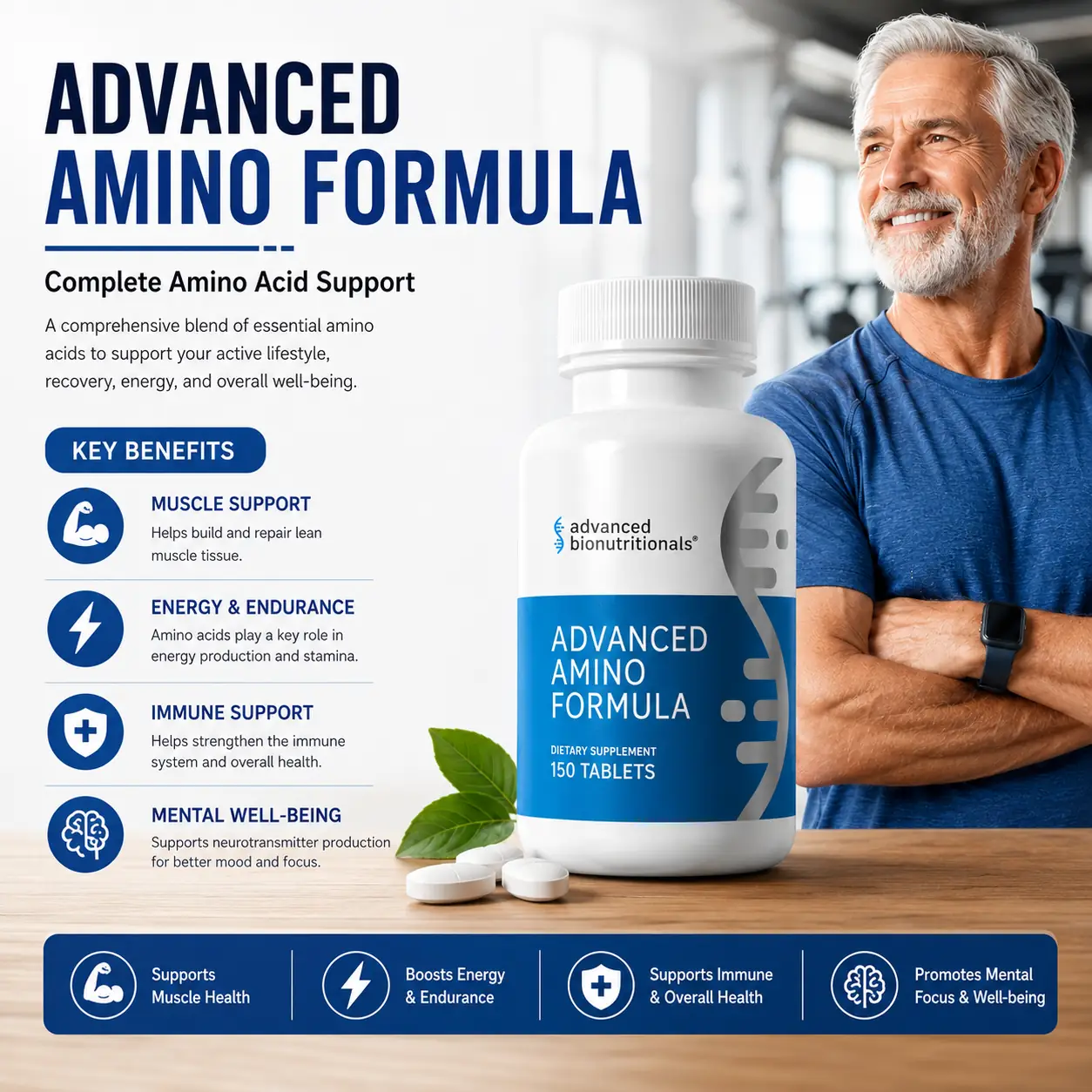
For adults who find it difficult to consistently hit protein targets through food alone, a supplement built around a complete essential amino acid profile — like Advanced Amino Formula — can be a convenient way to help fill the gap, alongside (not instead of) a balanced diet.
The Takeaway
Age-related muscle loss is common, but a combination of adequate amino acid intake, regular resistance activity, and quality recovery can meaningfully support strength and function well into later decades.
Give your body a complete amino acid profile
Advanced Amino Formula delivers all 8 essential amino acids in one convenient daily tablet.